The Land That Healed Him
He photographed the worst of what people do to each other, and it broke him. What put him back together was a forest he planted with his own hands.
Sebastião Salgado spent 1994 documenting the Rwandan genocide. He came home so broken he stopped taking pictures for almost two years. What brought him back was a forest. He and his wife Lelia replanted the ruined land his family once farmed in Brazil, more than two million trees over 25 years, and the work that healed the land healed him. When you are running on empty, the way back is slow and living. You tend something real, and it grows you back.
There is a kind of tired that sleep does not fix.
You know the one. You have done the hard thing, again and again. You have hit the mark. And somewhere in there you went quiet inside. The work still gets done. You just stopped feeling like yourself while it does.
I want to tell you about a man who hit the very bottom of that. And what brought him back.
A man who saw too much
.jpg)
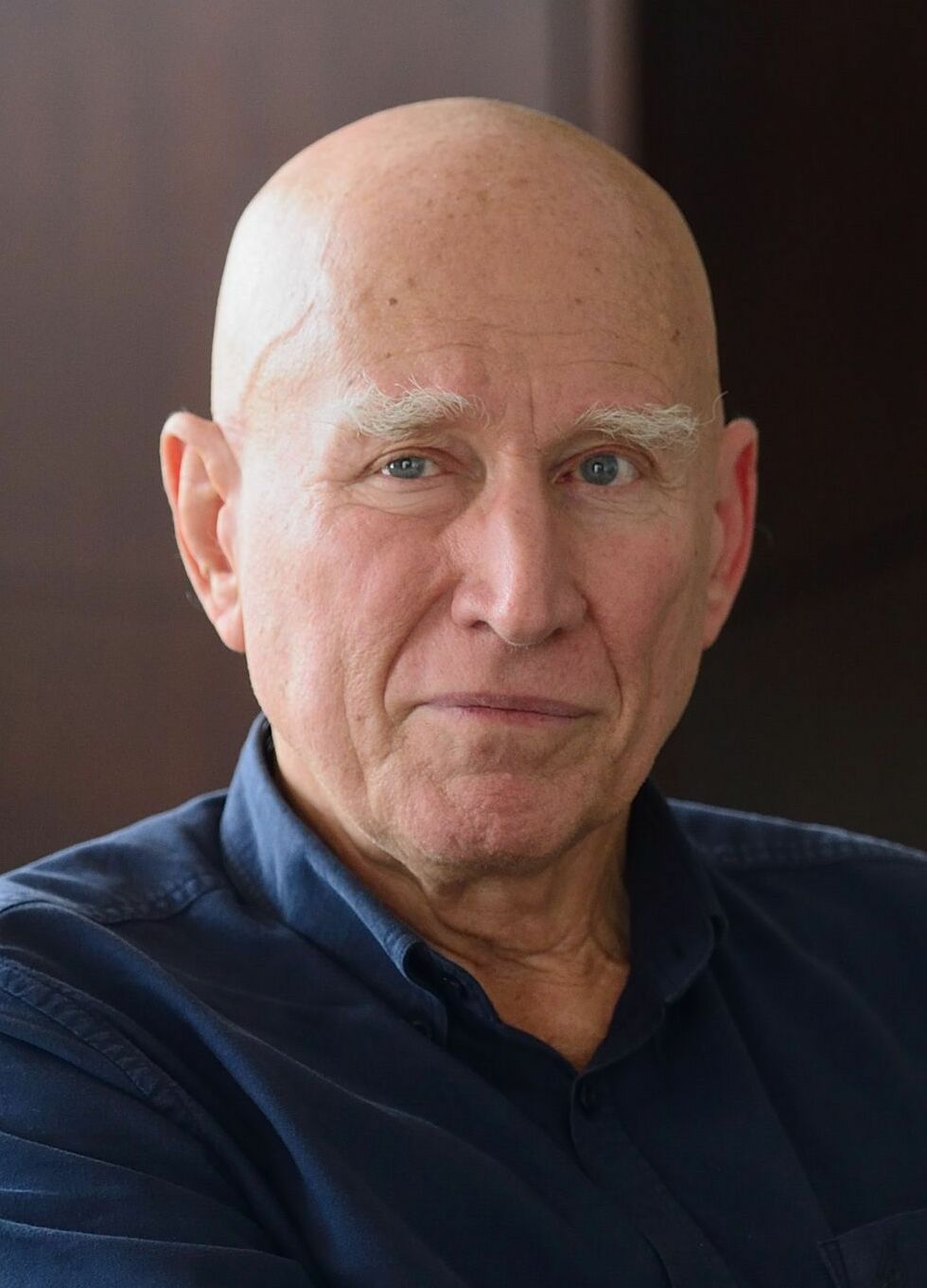
Sebastião Salgado is one of the great photographers of our time. Born in Brazil in 1944. He spent decades pointing his camera at the things most of us look away from. Famine. War. People walking away from everything they owned.
In 1994 he went to Rwanda. He was there for the worst of it. A refugee camp in Goma where roughly ten thousand people died of cholera in a single day. He stood in it and kept shooting, because he believed someone had to.
He came home to Paris and could not get up. In the 2014 documentary about his life, "The Salt of the Earth," he says he stopped believing in human beings. So he put the camera down. For about two years, he left it down.
Sit with that. The best in the world at his craft, and the craft had emptied him out.
What his wife saw
Here is where it turns.
His wife, Lelia, had an idea. His family's old farm sat in the hills of Minas Gerais, in Brazil. When he was a boy it was covered in forest. By the time he came home, the land was stripped bare. Dead, more or less. The trees he grew up under were gone.
She told him to plant it back.
Think about what that asks of a man who has lost faith in everything. He cannot fix Rwanda. He cannot un-see Goma. But this one piece of hurt ground, the ground he came from, that he could maybe do something about.
They started planting in 1999. Students from the nearby town down in the dirt beside them, setting saplings in the ground.
Then the long part. The part that does not photograph well. Years of it.
Two million trees
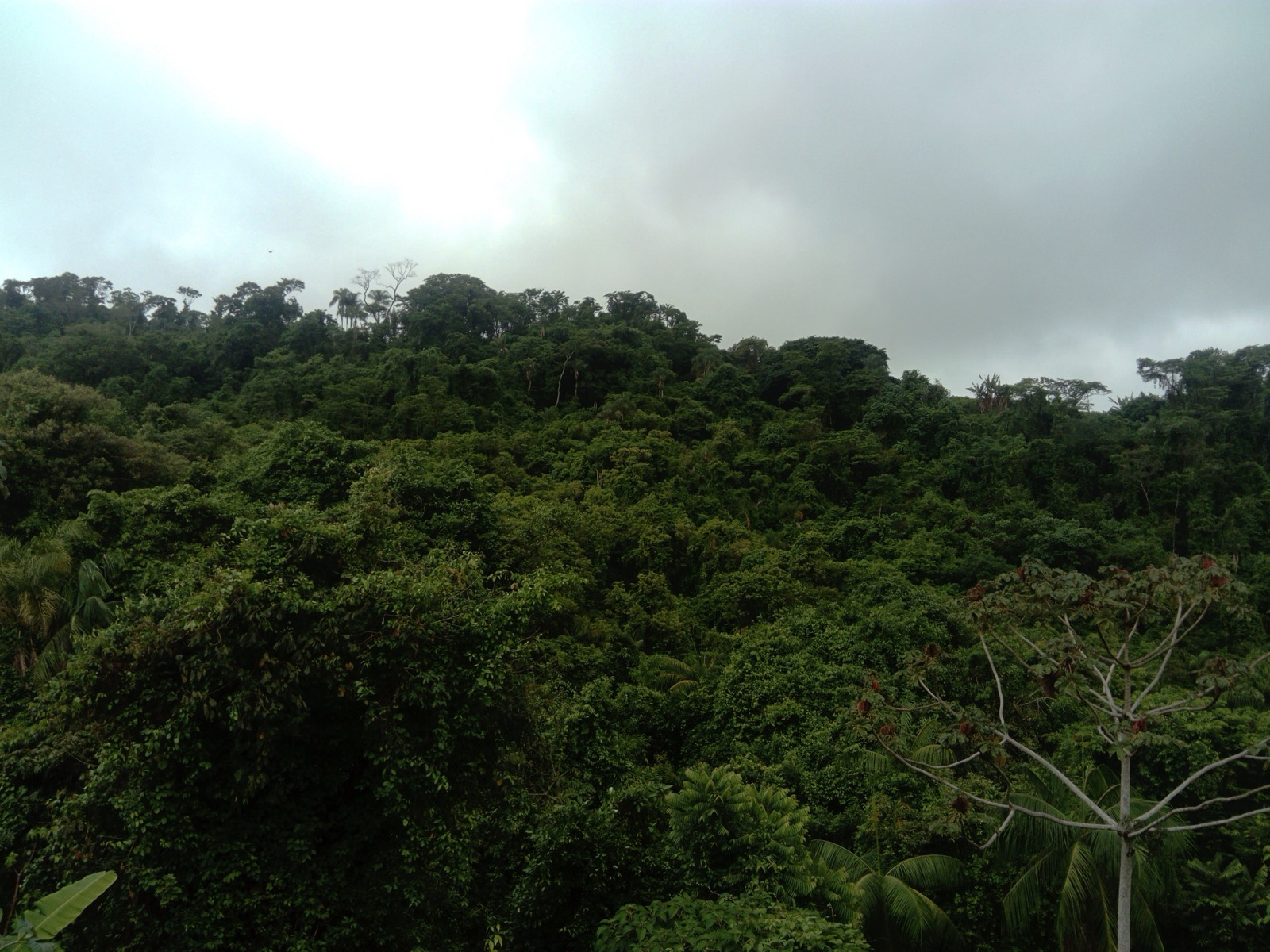

Over 25 years, they brought back more than two million trees, the work now run through their institute, Instituto Terra (reporting by Mongabay). More than seven hundred hectares of native forest, on ground that had been left for dead.
And it came back. Slowly. The way real things do. The springs returned. Then the birds. Then the river. A dead place turned living again because two people kept showing up to it, one season at a time.
Here is the line that stays with me. In that same film, Salgado says it plainly. My body was dying and this land healed me.
Read it again. Not that he healed the land, though he did. That the land healed him.
Thanks to this increase of the trees, I, too, was reborn. Sebastião Salgado
He got himself back by giving himself to something that grew. He found the bottom, knelt down in the dirt, and the forest pulled him up as it rose.
Salgado died in May 2025, at 81. He lived long enough to walk through a forest that did not exist when he was at his lowest. He grew it. It grew him.
You are the land
Here is where this turns to you.
You have been giving and giving. To the team. To the targets. To the people who lean on you. And somewhere in it, the ground inside you wore thin. You did not notice it happening. You looked up one day and the forest was thinner than you remembered.
The instinct is to push. Add more. Get up earlier. Squeeze out whatever is left.
Salgado's life points the other way. Worn ground comes back because someone tends it. Slowly. Without rushing the harvest.
So let me ask you something. What is the forest you stopped tending? The thing that, if you gave yourself back to it, would slowly give you back to yourself?
Maybe it is your health. A relationship you have been too busy for. The part of the work you used to love, buried under the part that just pays. Something you set down years ago and keep meaning to pick up.
You do not have to plant two million trees this week. Salgado did not either. He planted one. Then another. Then he kept going for 25 years.
That is the whole thing. The forest comes back one tree at a time, from people who keep showing up to living ground.
You are the leader and the human both. The same person in each. And the human has been running on empty for a while. You are allowed to put the camera down. You are allowed to kneel in the dirt and start.
So what is your first tree? Could you plant it this week?